Tiong Bahru’s cafés may be your reason for visiting, but leave time to look at the estate around them. Its curved blocks, sheltered walkways and shared garden give you a closer look at how people have lived in Singapore.
For a first walk, we suggest focusing on the pre-war housing and Seng Poh Garden, with a meal at the market if you have time. A few connected stops let you notice more than a long list of places to photograph.
Start with the homes
The Singapore Improvement Trust, or SIT, built Tiong Bahru before HDB existed. NLB’s history of the estate connects the development with efforts to relieve overcrowding in nearby Chinatown. Construction began in March 1936, and the first families moved in that December.
The first completed block included shops as well as flats. Look at how the homes connect with the street and the businesses below: the neighbourhood’s history includes the ordinary business of living, shopping and meeting people nearby.
Read a little about the estate before arriving. You will have more to look for, and you can spend the walk noticing the buildings rather than reading everything on your phone.
Look at the curves and walkways
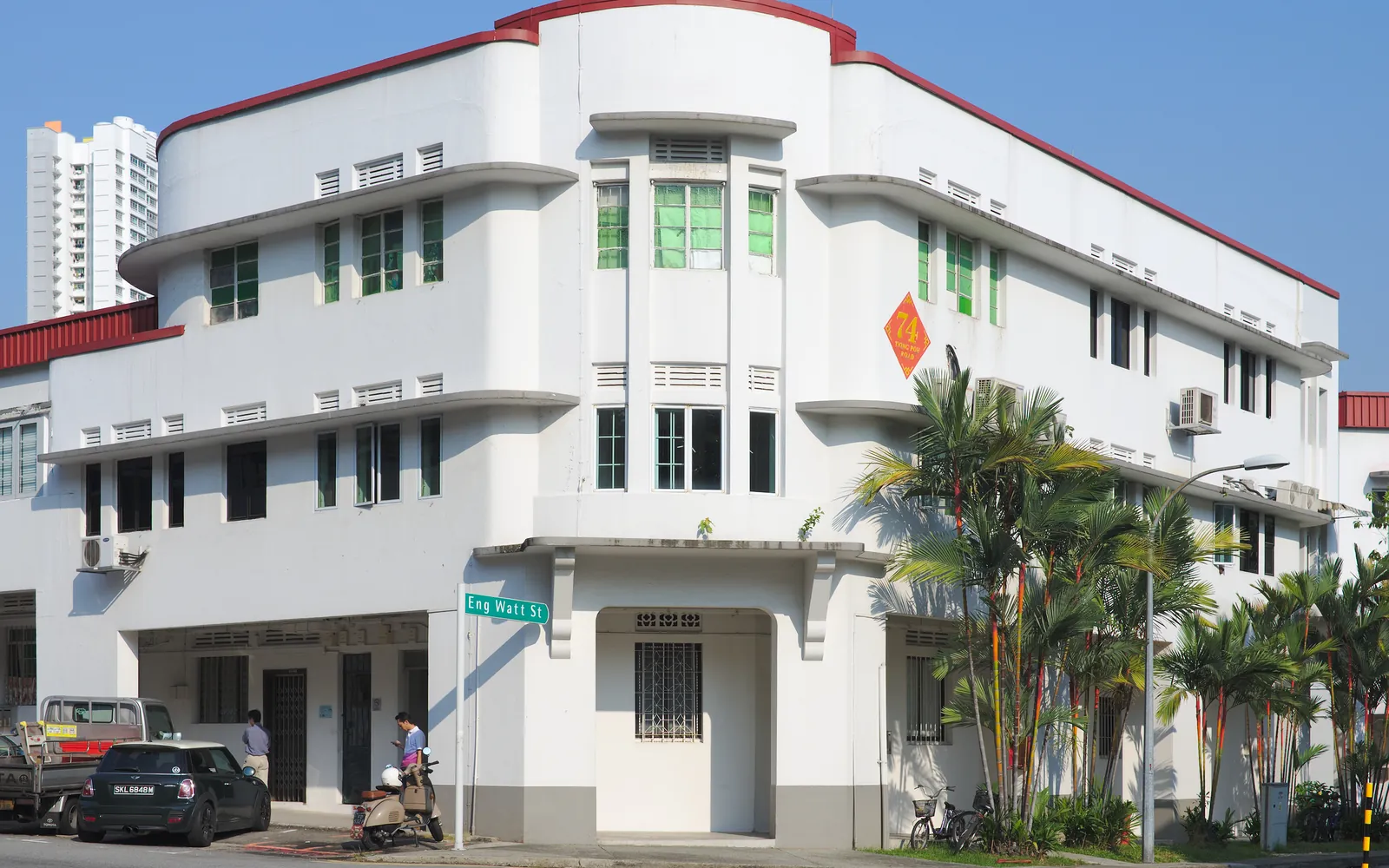
URA’s conservation guide describes Streamline Moderne influences and Art Deco motifs, alongside five-foot ways and internal air-wells familiar from shophouses.
Start with the curved corners. Then look at the sheltered walkways and openings that bring light and air into the buildings. You do not need architectural vocabulary to notice how the design works for someone walking to a shop or coming home.
Around Moh Guan Terrace and Guan Chuan Street, the estate’s wartime history includes the air-raid shelters at Block 78. NLB records their survival, but an interior visit needs a confirmed tour with an authorised organiser.
Keep to public streets and paths, leave doorways and stairwells clear, and be considerate beside homes. Ask before making a resident or stallholder the subject of a photograph. This is still a neighbourhood where people go about their day.
Pause at Seng Poh Garden
NHB’s account of Seng Poh Garden describes plans for the landscaped garden in 1972. The space had already served as a place for exercise and gatherings.
Sculptor Lim Nang Seng created the Dancing Girl figure. Some residents thought its abstract form resembled a swan, a small detail that gives you another way to look at it.
Spend a moment with the sculpture, then notice the benches, paths and homes around the garden. If others are using the space, give them room. The garden makes sense as part of daily neighbourhood life, as well as a heritage stop.
Finish with a meal if it suits the day
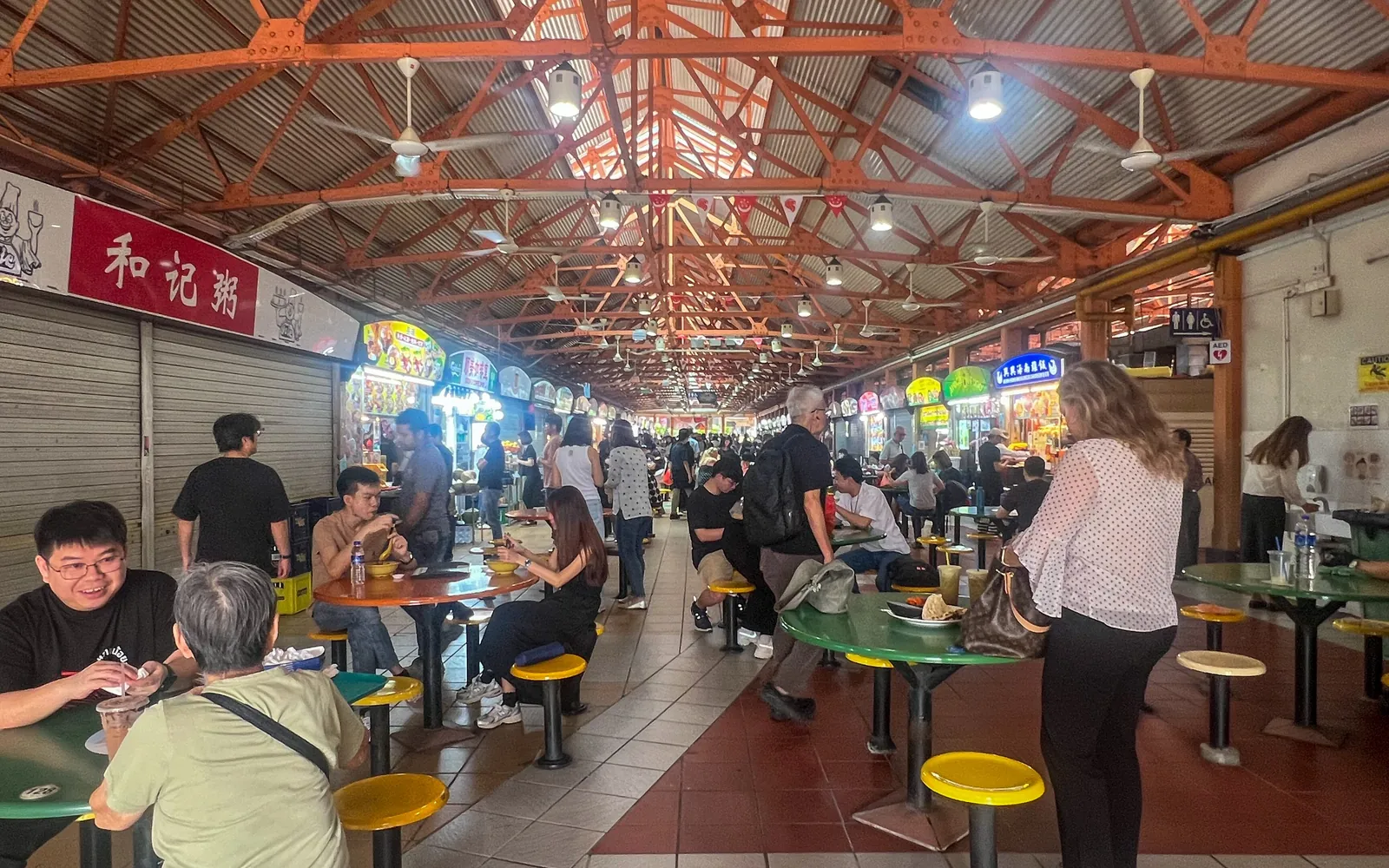
Tiong Bahru Market opened in 1951 as Seng Poh Road Market. NEA’s hawker-centre heritage account notes that it also hosted public meetings and political rallies.
That history adds another layer to a lunch stop. Pick a stall that interests you, check its price and ordering arrangements, and leave the table ready for the next diner. Check stall hours directly if you have a particular meal in mind.
You can keep the walk small: look at the housing, pause in the garden and add the market when you have time. Our hawker-culture article takes a closer look at the work and shared routines behind a meal.