A hawker meal is part of the rhythm of a Singapore neighbourhood. You choose a dish, find a seat and share the dining space with people who may be heading back to work, meeting friends or eating on their own.
Those everyday routines belong to Singapore’s hawker culture alongside the food. NEA records its UNESCO inscription on 16 December 2020, recognising community dining and culinary practices in a multicultural urban setting.
On your next visit, it is worth paying attention to the centre as well as the stall you came for.
Get to know the place where you eat
NEA describes how food traditions from immigrant communities developed in Singapore over time. A meal can prompt a question about that history, though each dish and stall has its own story.
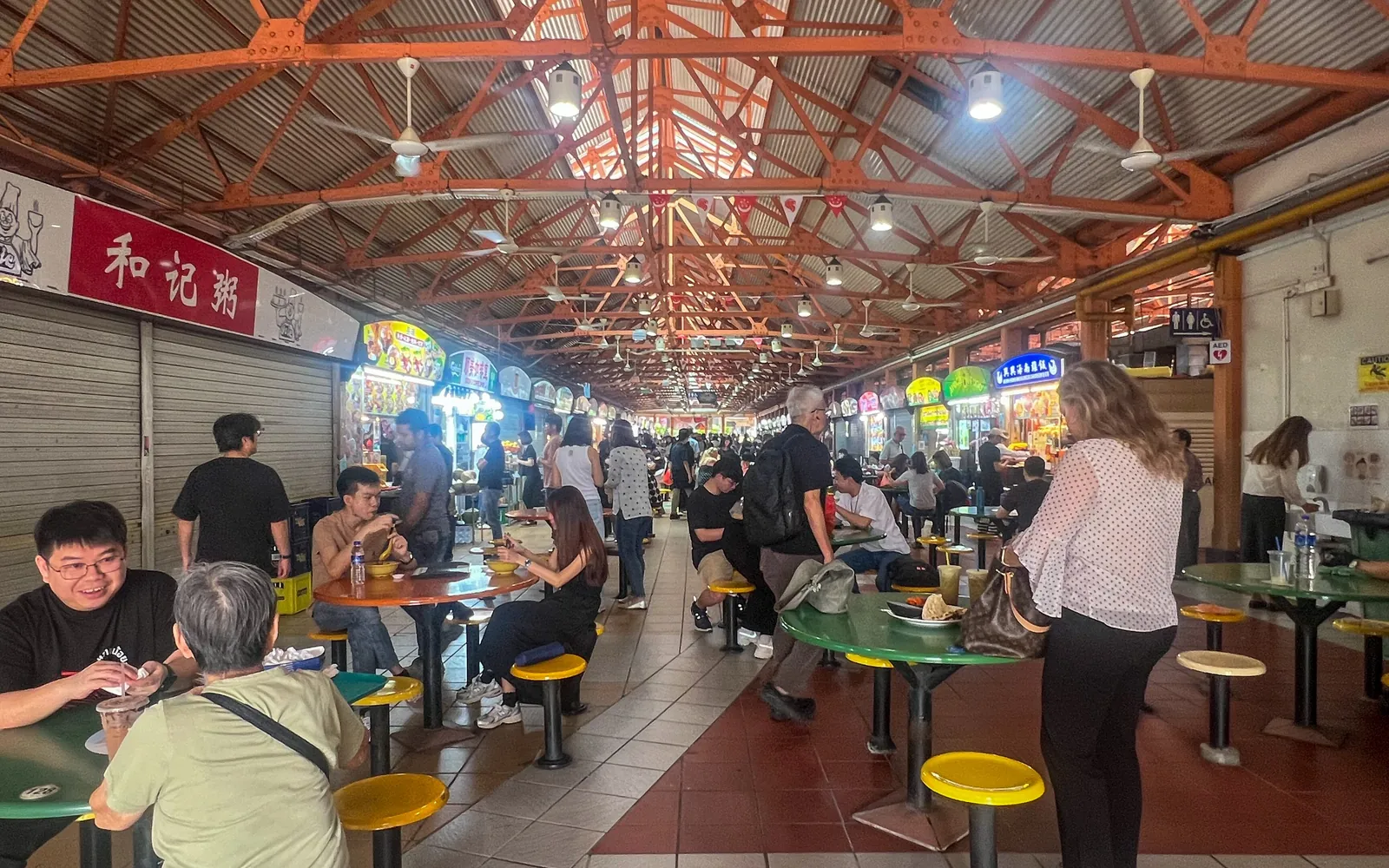
The centres have histories too. In the NEA and NHB heritage project, Maxwell Food Centre appears as a site where the post-war welfare department provided inexpensive meals for people in need. Tiong Bahru Market opened in 1951 as Seng Poh Road Market and also hosted public meetings and political rallies.
Look for the centre’s heritage information when you visit. Then notice how people use the space now: where friends meet, how diners find seats and how the stalls work around a busy service. A familiar lunch stop can give you something new to think about without changing your order.
If you are meeting a group, agree on a table or meeting point before splitting up for food. Ask the stall about an ingredient or preparation method if it matters to your dietary needs.
Notice the work behind the dish
Passing on a hawker’s skills takes practice as well as a recipe. NEA’s Hawkers Succession Scheme pairs potential successors with retiring veteran hawkers who have not found suitable family successors.
The process includes a skills assessment, a three-month apprenticeship and a tasting evaluation. A successor has to learn the signature dishes and the work of running the stall. The scheme gives a useful example of how those skills can be passed on, while individual stalls face their own succession decisions.
As a diner, give the hawker room to work. Read the menu, have your payment ready and collect your meal when called. If you want to ask about the stall’s history or take a portrait, choose a quiet moment and ask first.
Share the space considerately
Ask whether a seat is available and keep your belongings within your space. Someone having a quick lunch may prefer to eat without conversation, and that is fine.
Return trays and crockery to the designated point and clear your table litter. NEA’s clean-table advisory explains these responsibilities. Follow the centre’s arrangements and ask for assistance if you need it.
These are small, useful things you can do for the next person who needs a seat. They are also part of participating in a shared dining culture.
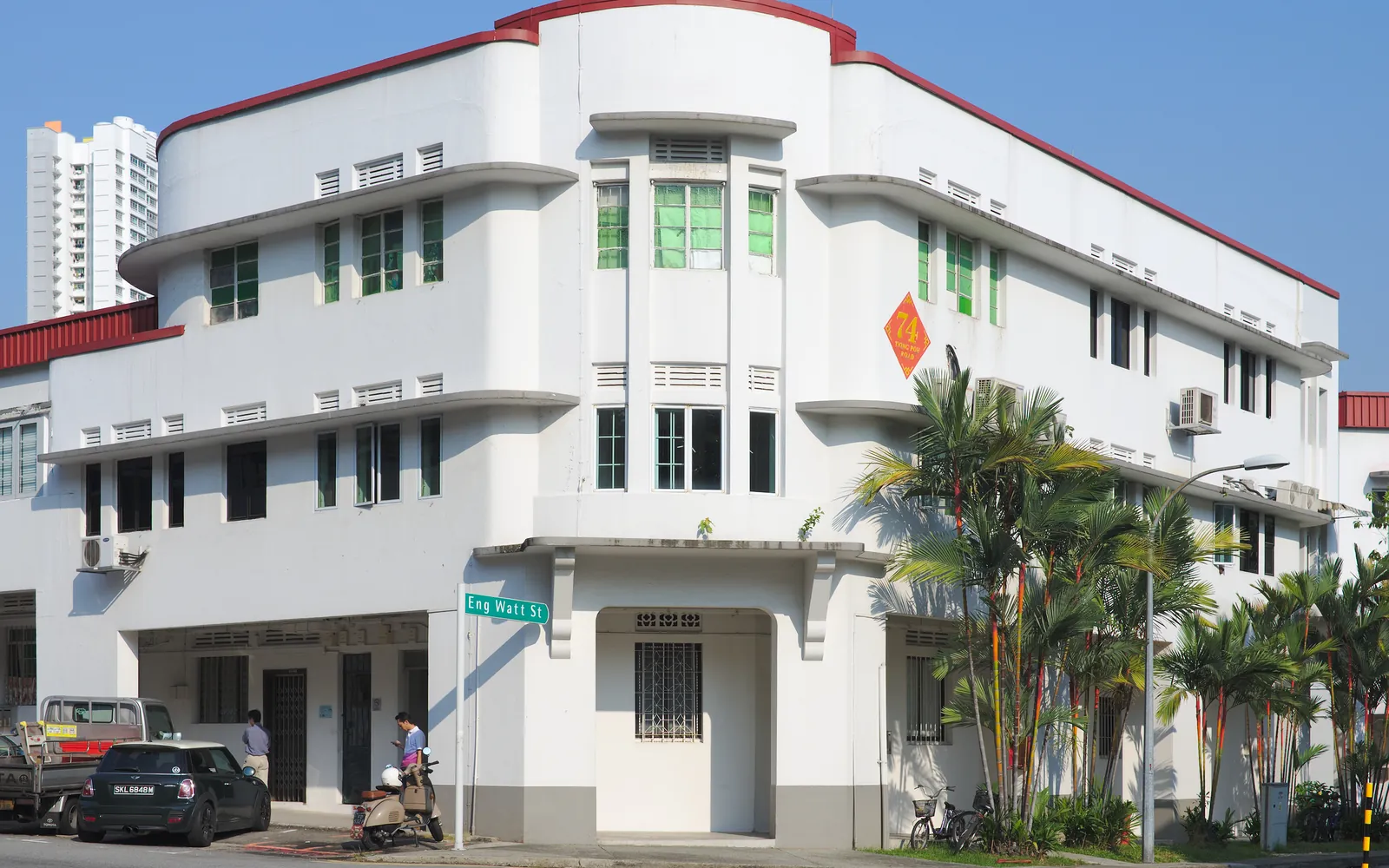
For your next meal, you could try a stall you have overlooked or read about a centre you already know. Check hours if you are travelling for a particular dish. Our Tiong Bahru walk offers a way to connect a market visit with the neighbourhood around it.